





Thinking about how to get more done in less time, you probably know the feeling. The day begins with good intentions, maybe even a carefully written list of tasks, and then something unexpected happens. A thought spirals, a distraction pulls you in, or the sheer weight of everything on your plate makes it difficult to start at all.
For women who live with ADHD, autism, or anxiety, this cycle can feel exhausting. You are capable, intelligent, and full of ideas, yet sometimes time slips through your fingers in ways that feel impossible to control.
The truth is, productivity is not about squeezing every second or pushing yourself harder. It revolves around learning how your brain works, respecting your routines, and using strategies that fit your unique wiring.
However, traditional time management advice often falls flat because it assumes everyone operates the same way. You and I know that is not the case.
If you have ever wondered how to be more efficient with time or even asked yourself how to get more work done without feeling completely drained, you are in the right place.
How To Get More Done in Less Time: 5 Helpful Strategies

Strategy 1: Redefine Productivity on Your Terms
One of the biggest roadblocks to getting more done is the idea that productivity has a single definition, which is completing as many tasks as possible in the shortest amount of time. Unfortunately, that definition is outdated and can also be harmful for those whose brains process the world differently.
If you live with ADHD, your energy and focus can change in unpredictable ways. There are moments when you feel unstoppable, ideas sparking faster than you can type, and other moments when a single email feels like climbing a mountain.
Instead, begin by redefining what productivity means for you. If you have been asking yourself how to get a lot done in a day, the answer is not about pushing harder. Productivity might mean clearing three major tasks that free your mind for the rest of the week.
It might also mean focusing on one important project for ninety minutes without distraction. Or, on days when your mental load is heavy, it might simply mean choosing rest so you can return stronger tomorrow.
The key is to set standards that align with your values and capacities, not someone else’s checklist. This is where you start to discover how to do more with less time.
Strategy 2: Lighten the Mental Load with Clear Priorities

Women are often expected to carry multiple worlds on their shoulders. You may be a professional managing deadlines at work, a mother juggling school schedules and bedtime routines, or the one who notices when the laundry has piled up and the fridge is nearly empty.
The unspoken expectation is that you can handle it all and handle it well. But this invisible load can leave a significant impact and create pressure that fuels anxiety. Consequently, it becomes even harder to stay focused on what matters.
When your mind is cluttered with too many competing demands, even starting one task can feel overwhelming. This is where prioritization becomes a lifeline. Instead of asking yourself how to finish everything, change the question to how to get more work done by focusing on the essentials. What actually needs to move forward today? Which tasks can wait until tomorrow, or even next week?
A helpful way to calm the noise is to create a short, non-negotiable list of three priorities. Think of it as your anchor list. Completing those three items gives you a sense of accomplishment and clears mental space, even if the rest of the to-do list remains.
When you lighten the mental load through clear priorities, you manage your time and your energy. And that change makes the entire day feel lighter, steadier, and far more doable.
Strategy 3: Build a Personalized Routine

For many women on the autism spectrum, being organized is essential. This is where routines come in to create a sense of stability, reduce decision fatigue, and cut through the chaos of competing tasks.
Without these, every small choice can feel like a mountain, and that can drain energy before the real work even begins.
If you have wondered how to get more done in less time, the answer usually lies in giving yourself a path to follow for the day that is predictable, but also flexible enough to help you handle surprises.
Think of your routine as scaffolding: it holds you up when distractions or stress threaten to pull you down.
Here are a few ways to make routines work for you.
· Anchor your day with rituals. Begin and end the day with simple and repeatable actions, like reviewing your planner in the morning and doing a short reflection at night. These rituals signal to your brain that it is time to switch modes.
· Batch similar tasks. Instead of scattering chores and work tasks throughout the day, group them. For example, answer all emails in one block instead of letting them interrupt your focus.
· Use visual reminders. Sticky notes, whiteboards, or digital apps can keep priorities visible. For autistic women who benefit from external cues, this reduces the stress of trying to remember everything.
· Break large projects into micro-steps. Big tasks can feel paralyzing. Writing the first three steps on paper makes it easier to start and gives a clear path forward.
· Protect energy, not just time. Notice when you feel most focused, which could be morning, midday, or evening, and schedule demanding tasks during that window. Use your lower-energy hours for lighter work.
Strategy 4: Create an Environment That Works for You
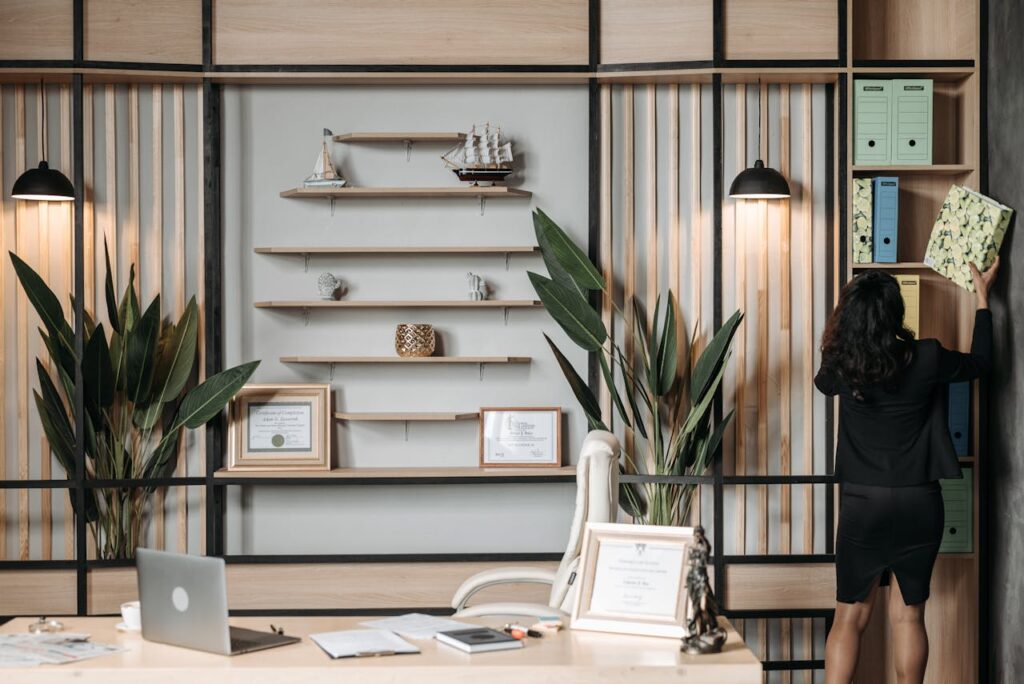
Your surroundings play a bigger role in productivity than most people realize. The space you work in can either fuel your focus or quietly drain it. Cluttered desks, constant notifications, and noisy backgrounds make it harder to stay present, while a supportive environment encourages clarity and calm.
Think of it as setting the stage before the performance. If you have been asking yourself how to get more work done, sometimes the solution is not about time management at all. It could actually mean creating an environment to match the type of focus you need.
Examples of these could be a tidy space, the right lighting, or even a favorite playlist can shift your brain into work mode almost instantly.
Keep in mind that your environment does not need to look like anyone else’s. What matters is that it feels functional, comfortable, and aligned with the kind of energy you want to bring into your work.
Once you begin treating your surroundings as part of your productivity system, you will notice how much easier it becomes to stay engaged and finish what you start.
Strategy 5: Harness Focus and Calm with the Pomodoro Technique
ADHD and anxiety often show up hand in hand, each making the other harder to manage. The former might scatter your focus, while anxiety piles on by whispering that you are already behind.
The combination can leave you frozen between too many options or bouncing from task to task without actually finishing anything. That is where the Pomodoro technique can make a real difference.
Rather than expecting yourself to sit down and power through hours of work, this method gives your brain a routine to follow: focused effort, then rest, then repeat. It breaks down intimidating projects into smaller and doable pieces, which calms the anxious part of your mind. At the same time, it satisfies the ADHD need for clear structure.
Here is how to apply it.
· Pick one task. Decide on the single thing you want to move forward with and make sure it is just one. This keeps anxiety from spiraling about the entire to-do list.
· Set a timer for 25 minutes. Work only on that task until the timer rings.
· Take a 5-minute break. Move, breathe, stretch, or do something that resets your nervous system instead of overstimulating it.
· Repeat the cycle. Four sessions equal a full “set,” after which you reward yourself with a longer break.
· Adjust the timing. If 25 minutes feels too long, make it 15. If it feels too short, then you can stretch to 30. The point is to build momentum.
To Sum it Up
Women today carry an extraordinary weight of careers, families, households, and expectations that never seem to end. It is no wonder that time feels scarce and focus feels fractured.
But what most of us often forget is that productivity does not mean doing everything all at once. Instead, it defines the ability to pay attention to the things that matter.
When women honor their strengths, set boundaries, and create systems that support them, the impossible starts to feel possible. Remember that true progress comes from alignment, not overworking, and that is the real answer to how to get more done in less time.
Suggested Reads:
- Fashion Trends for Moms
- How to Keep Your Vagina Clean and Smelling Good
- Top Athleisure Essentials Every Mom Should Own