





Setting boundaries with family is a task, but not having them in place is a fast track to burnout, guilt, and resentment.
When you keep saying yes or don’t set rules, you teach everyone around you that your needs come last. And the worst part is that your kids pick up on that—they grow up thinking it’s okay to overstep or that they shouldn’t say no either.
Therefore, families must have limits because if no one draws the line, someone always ends up overdoing, overgiving, or overwhelmed.
In this blog, we’ll go over simple phrases to set boundaries with family that work because you don’t just have to say no. These examples of setting boundaries with family should be said in a way that keeps the peace and protects your peace.
What are Boundaries in a Family?

Boundaries in a family are clear rules or limits that help everyone know what is okay and what is not. They protect time, space, energy, and emotions when one wants to get out of a situation.
Your simple family boundaries can include things like relatives asking before visiting, not discussing certain topics when an outsider is around, or respecting someone’s decision.
When there are no boundaries, people (especially moms) may feel drained, disrespected, or overwhelmed because it’s like no one holds back from anything.
For example, you feel pressured to say yes when you want to say no to keep the peace. Therefore, using the right boundary phrases and asserting your limits helps you stay true to yourself while still caring for your family.
Short Phrases to Set Boundaries with Family

You don’t always have to say a lot to have them respect your space. Here are some short boundary setting sentences that’ll help you get the message across:
I love you, but I need quiet time right now.
Saying it sets a loving but firm boundary when you’re overwhelmed or just need time alone.
Example:
After a long workday, your mom starts venting about a family issue. You say, “I really want to listen, but I’ve had a rough day and need some quiet time. Can we talk tomorrow?”
That topic makes me uncomfortable—let’s switch subjects.
Use this when someone brings up something too personal or upsetting.
Example:
During dinner, a relative brings up your past relationship. You gently say, “I’d rather not go there. Let’s talk about your new job instead.”
I appreciate the invite, but I’m staying home today.
A gentle phrase helps you say no to social plans without guilt or over-explaining.
Example:
Your cousin invites you to a last-minute gathering, but you’re burnt out. You reply, “Thank you for thinking of me, but I need a quiet night in today.”
Please ask before sharing my personal news.
This line gives a firm reminder about your privacy.
Example:
Your aunt announces your upcoming trip to everyone. You tell her, “I appreciate your excitement. Please ask me before sharing personal news like that.”
I’m offline after 9 p.m.—we’ll talk tomorrow.
Protects your time to rest and unwind.
Example:
A cousin keeps texting late. You reply, “I’m offline after 9 p.m.—we’ll talk tomorrow.”
No surprise visits, please call first.
Setting this rule prevents unexpected interruptions at your home.
Example:
When someone shows up unannounced, you say, “I’d love some company, but no surprise visits—please call first.”
I’m setting limits on family group chats.
It helps you avoid digital overwhelm.
Example:
Too many messages pinging in the family chat? You say, “Just a heads-up: I’m setting limits on family group chats, so replies might be slow.”
I respect your view; please respect mine.
This keeps conversations civil when opinions differ.
Example:
An uncle pushes his opinion about how you should raise your kids. You say, “I get where you’re coming from, but I’ve made my choice—please respect that.”
I hear you, but my answer is no.
A polite way to hold your ground even if someone insists.
Example:
Your sibling keeps asking you to lend money. You calmly say, “I understand your situation, but I’m not in a place to help right now.”
I prefer to keep finances private.
It’s the simplest way to shut down money talk without sounding rude.
Example:
A relative asks how much you’re earning at your new job. You say, “I’d rather not go into details—I like to keep finances personal.”
Let me handle it in my way.
Useful when someone gives constant advice or tries to take over.
Example:
Your dad critiques how you’re handling a conflict. You reply, “Thanks for the concern, but I’ve got this. I’ll handle it how I think is best.”
Let’s agree to disagree and move on.
Saying this always works and helps avoid dragging out pointless debates.
Example:
You and a cousin argue about parenting styles. You say, “We’re clearly not going to agree on this, and that’s okay. Let’s just move on.”
Funny Phrases to Set Boundaries with Family
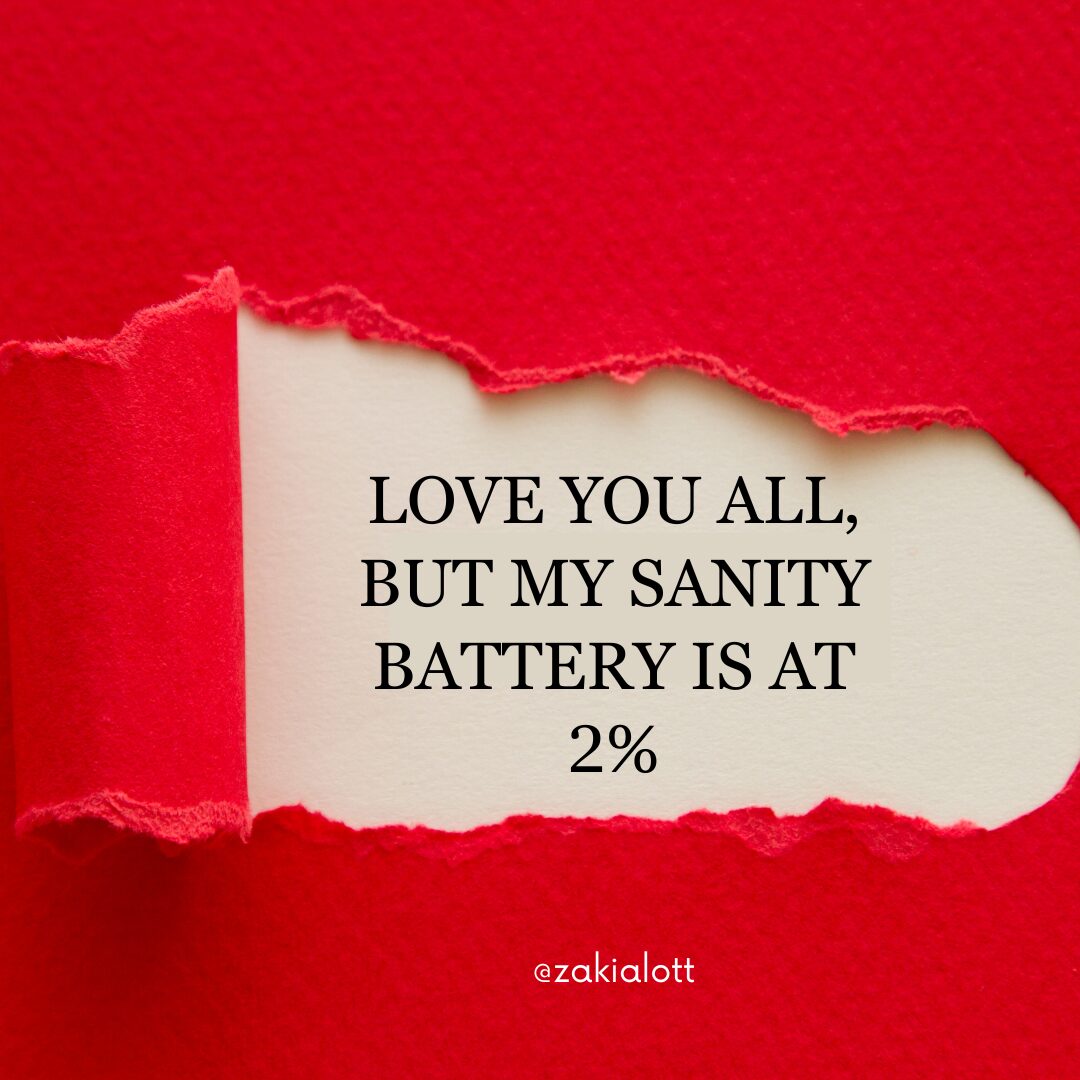
Funny or witty boundary phrases for family convey your message while keeping the environment light. Here are some light-hearted boundary setting examples:
Love you all, but my sanity battery is at 2%.
A funny way to say you’re mentally drained and need a break.
Example:
When the family group chat gets too much, you text: “Love you all, but my sanity battery is at 2%. I’m muting this for now.”
Not available—I’ve got a hot date with my blanket.
Saying it sets a playful boundary around rest without needing to explain.
Example:
Your cousin invites you out for a night o,ut but you don’t have it in you. You reply, “Not available—I’ve got a hot date with my blanket tonight.”

I left my ‘yes’ button at home.
Use this when you want to say no without sounding harsh.
Example:
When the kids ask for something random while grocery shopping with you, you say, “Sorry, I left my ‘yes’ button at home today.”
I’ve hit my family talk quota for the day.
It lets others know you’re done socializing without sounding rude.
Example:
After hours of calls and messages, your sibling calls again and you respond, “Love you, but I’ve hit my family talk quota for the day.”
I’m on a strict no-stress diet—doctor’s orders.
This boundary statement saves you from emotional drama or stress.
Example:
A relative starts gossiping or venting. You reply, “I’m on a strict no-stress diet—doctor’s orders. Let’s talk about something lighter.”
My calendar says ‘Nope’ in bold letters.
A fun way to say your schedule is already full.
Example:
When asked to attend another family gathering, you say, “Can’t make it—my calendar says ‘Nope’ in bold letters.”
Introvert bubble engaged—approach with snacks or retreat.
This line signals you need space while keeping the tone light.
Example:
Your sibling tries to drag you into a long conversation. You say, “Introvert bubble engaged—snacks might help, but I mostly need quiet.”
Busy washing my hair and my patience.
A humorous way to turn down plans or conversations.
Example:
When someone tries to unload last-minute drama on you, you reply, “Not today—I’m busy washing my hair and my patience.”
Brain in airplane mode; messages will bounce.
Tells others you’re mentally offline and not available for conversation.
Example:
After a tough workday, someone texts about a family issue. You respond, “Brain in airplane mode; messages will bounce. Talk tomorrow?”
Adding tasks may void my warranty.
This is a light way to say you’re already overwhelmed.
Example:
A family member asks for one more favor. You reply, “Adding tasks may void my warranty. I’m already stretched thin.”
Homework for today: respect my space.
Makes your need for space clear in a fun but direct way.
Example:
Your sibling keeps walking into your room. You say, “Homework for today: respect my space. I’ll come find you when I’m free.”
Sorry, Wi-Fi is strong, energy weak.
Lets others know you’re around but low on energy to engage.
Example:
You’re getting messages but not replying much. You send, “Sorry, Wi-Fi strong, energy weak. I’ll respond when I’ve recharged.”

I’m fully booked for nonsense today.
A short and playful way to shut down drama or emotional dumping.
Example:
Your brother starts stirring up old arguments. You smile and say, “Sorry, I’m fully booked for nonsense today. Let’s not go there.”
I’ve reached my emotional step count for today.
A playful way to say you’re mentally done and need a break.
Example:
Your aunt starts a long rant after a tiring day. You say, “I get it, but I’ve reached my emotional step count for today. Let’s talk tomorrow.”
Boundary phrases for parents
Sometimes parents can overstep boundaries out of habit or care, and it’s ok if that doesn’t sit right. Here is how to set boundaries with parents to handle such situations:
I value your advice, but I’ll choose my path.
A respectful way to thank them for their input without following it.
Example:
When your father suggests a different career choice, you respond, “I appreciate your advice, but I’ll choose what works best for me.”
Our finances are private; we’ve got them handled.
This phrase makes it clear that money matters are off-limits.
Example:
If your mom asks how much you earn or save, you can say, “We’re managing fine, but we prefer to keep our finances private.”
Let’s keep politics off the dinner table.
Helps keep family gatherings calm and respectful.
Example:
When a parent brings up political arguments during a meal, you say, “Let’s save that for another time. I’d rather enjoy dinner.”
Our parenting choices differ; please respect them.
Sets a line around how you raise your kids.
Example:
If your parent disagrees with how you discipline your child, you say, “We’re doing things our way, and I’d like that to be respected.”
Weekly visits work better than daily check-ins.
Helps limit how much they expect to see or call you (you are justified in wanting less of that).
Example:
If your mom drops by uninvited every other day, you explain, “We’re busy during the week. Let’s plan to meet once a week instead.”
Speak to me directly, not through the kids.
Keeps your children out of adult conversations.
Example:
If a parent tells your child to pass a message to you, you respond, “Please speak to me directly. I don’t want them in the middle.”
We’re not discussing family planning at the moment.
A polite way to shut down personal questions.
Example:
When a parent asks when you’re having a baby, you say, “That’s private. We’re not discussing family planning right now.”
Health matters stay between us for now.
Protects your privacy around medical or health-related issues.
Example:
If your parents bring up your health in front of others, you say, “I’d rather not talk about that publicly. Let’s keep it between us.”
I need the freedom to say no without guilt.
Saying it clearly means you need room to make your choices.
Example:
When pressured into doing something you don’t want to do, you say, “Please understand—sometimes I’ll say no, and I need that to be okay.”
We need advance notice for big family events.
Helps you plan better and avoid last-minute pressure.
Example:
If you’re told about a gathering the day before, you reply, “Next time, please let us know earlier so we can plan properly.”
I manage my schedule, please don’t overbook me.
Tells others not to make plans on your behalf.
Example:
If your parent volunteers you for something without asking, you say, “Please check with me first. I manage my own time.”
I need time to think and discuss before I answer.
Gives you space to decide things with your partner or alone.
Example:
If your parent asks for a quick yes or no on a big decision, you say, “Let me think about it and talk it through. I’ll get back to you.”
Relationship Boundaries List Examples
If you want to establish some rules with your partner, here are some examples of boundary setting statements to save you from the chaos:
We both use respectful language, even when upset.
Such boundary statements set a rule for healthy communication, even during fights.
Example:
When things get tense, you say, “We can talk this out, but let’s stay respectful.”
Personal stories stay private unless we both agree.
Keeps your shared life between the two of you.
Example:
You find out your partner shared something personal. You say, “Please check with me first before sharing our stuff with others.”
Jokes about my body aren’t okay with me.
Draws a clear line on teasing that hurts.
Example:
Your partner makes a comment about your weight. You say, “That joke didn’t sit right. Please don’t make fun of my body.”
We pause arguments if voices rise.
Helps avoid yelling and things getting worse.
Example:
If a fight starts to escalate, you say, “Let’s take a break and talk when we’re calm.”
Passwords stay private unless both consent.
This rule keeps boundaries around phone or account access.
Example:
Your partner asks for your phone password. You say, “I’m okay with sharing if we both agree to it.”
Chores rotate so the work feels fair.
Ensures one person doesn’t end up doing it all.
Example:
You notice you’ve done dishes all week. You say, “Let’s switch things up so chores stay balanced.”
Big purchases need us both to say yes.
Protects joint money decisions.
Example:
Your partner buys something expensive without asking. You say, “Let’s agree to check in before buying anything major.”
No checking messages during serious talks.
Keeps the focus on the conversation.
Example:
You’re talking about something important, and they check their phone. You say, “Please keep your phone aside while we talk.”
Mental health days are valid and judgment-free.
Makes space for rest without guilt.
Example:
You take a day off, and your partner questions it. You say, “I needed this for my mental health—please understand.”
End conversations if they turn disrespectful.
Helps you walk away when things get ugly.
Example:
Your partner starts getting rude. You say, “Let’s stop here. I won’t keep talking if it turns out to be disrespectful.”
Time with extended family should be planned together.
Keeps family visits or events balanced.
Example:
Your partner makes weekend plans with the in-laws without asking. You say, “Can we plan these together next time?”
Sarcasm is fine, but not at each other’s expense.
Draws a line between fun and hurtful.
Example:
Your partner makes a sarcastic jab. You say, “Jokes are okay, but not when they put me down.”
Set Boundaries Without Guilt
Family boundaries are necessary—without them, you end up tired, frustrated, and unheard. Setting limits helps you protect your energy and avoid resentment. It also teaches others how to treat you with respect. And you don’t need to justify your choices or explain everything. Start using clear, direct phrases and stick to them because you’re allowed to say no and take space.
Suggested Reads:
FAQs
What should I do if I feel guilty after setting a boundary?
Acknowledge the guilt—it’s common. Remind yourself that setting boundaries is self-care, not selfish. Consistent use of these statements will reduce guilt and show others how to treat you respectfully.
How do I respond when someone crosses a boundary I already set?
Calmly restate your boundary with specifics and consequences. For example: “I need three hours to myself, please don’t message during that time.” If necessary, limit contact until they respect your request.
What if I’m the only one in the family trying to change the dynamic?
Keep boundaries consistent and don’t fold when they push back. They’ll adjust, or you’ll see which relationships are worth keeping with time.