





How many times have we heard the phrase Forgive and Forget? But is it that easy? Well, absolutely not!
We often talk about forgiveness as if it’s a finish line—the end of the story. People usually believe that once you forgive someone, the pain magically disappears and everything feels light again. So, how can you forgive someone and still be hurt? Because real life is far messier than that.
You can say I forgive you, and still feel your heart drop whenever you think about what happened. This doesn’t mean your forgiveness is fake or incomplete. It just means you’re human.
Wondering Can You Forgive Someone and Still Be Hurt? You’re Not Alone!

Forgiveness and healing don’t always happen at the same time.
Psychologists talk about two types of forgiveness. The first is decisional forgiveness — when you make a choice to let go of the grudge. The second is emotional forgiveness — when your heart actually starts to feel lighter. The first can happen fast. The second takes time.
So no, you’re not doing anything wrong if you’re still hurting after forgiving someone.
Why Do You Feel Hurt Even After Forgiving?
When someone you trust hurts you, it doesn’t just cause emotional pain — it affects how safe you feel, how much you trust others, and even how you see yourself.
Studies show that emotional pain, especially after betrayal or abuse, affects the brain’s stress response system. Your body and mind remember that pain, even if your heart wants to move on. So, you might forgive someone but still feel anxious around them, or find yourself thinking about what happened over and over again.
Forgiveness Doesn’t Erase Pain
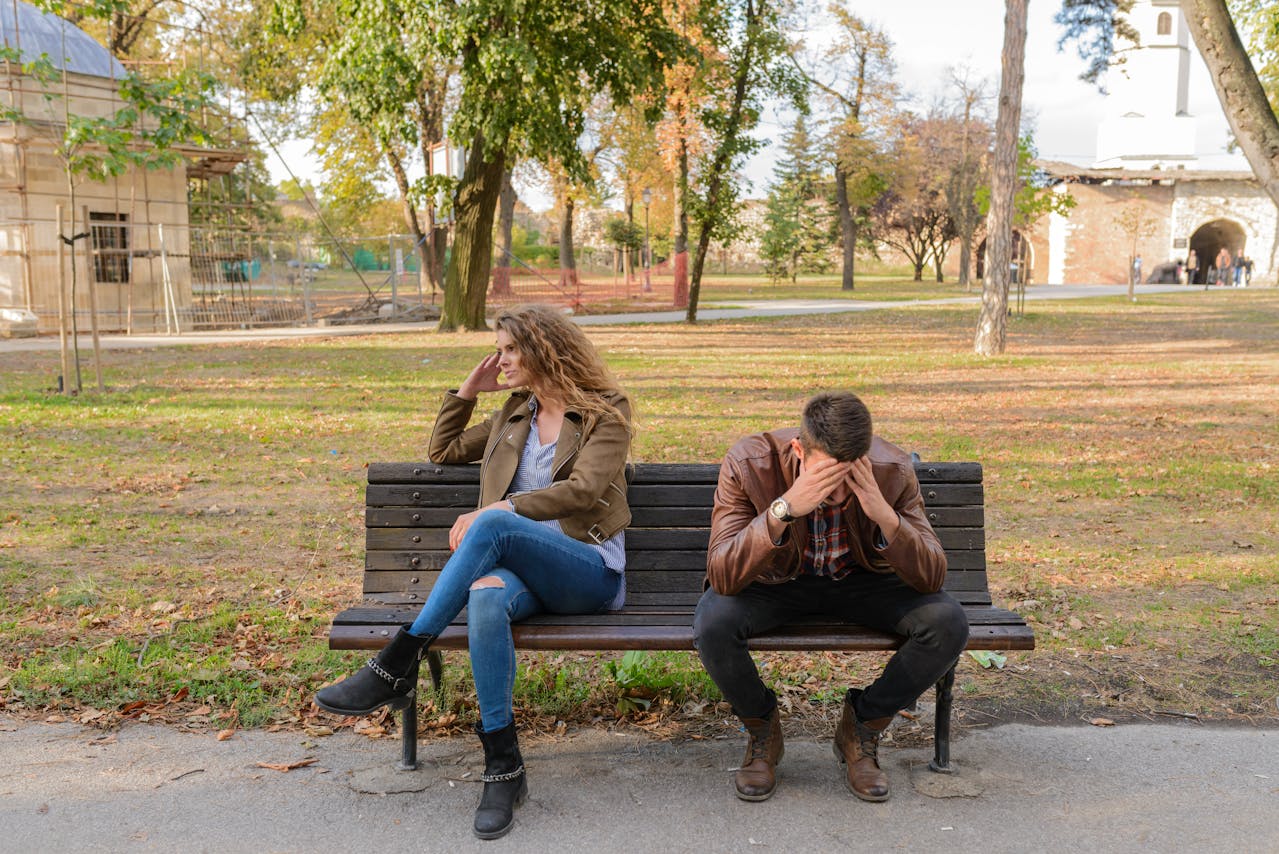
Sometimes, you forgive someone because you want peace. But that doesn’t mean your heart just instantly stops hurting. There may still be sadness, anger, even disappointment living quietly in the background. And you’re not doing anything wrong by feeling that way.
Forgiveness means you’re letting go of the grudge or resentment. But the emotional pain caused by what happened might still linger. You may still grieve the betrayal, loss, or disappointment — and that doesn’t mean your forgiveness isn’t real.
Forgiveness and Boundaries
Forgiveness is not about pretending everything’s fine. It’s about finding peace, and sometimes that peace means setting clear boundaries.
You can forgive someone and still set some new boundaries with them, changing how or if you engage with them. You must know that boundaries are not about punishment, they’re about protection.
Even after forgiving, you can say, “I can’t let you close to me anymore.”
You’re allowed to say, “I don’t hate you. I’m just choosing peace.”
You can say, “I forgive you, but I can’t continue this relationship.”
That’s not unforgiveness — that’s wisdom.
Forgiveness Is Not for the Other Person
We often think forgiving someone means we’re doing them a favor. But really, it’s an act of kindness to yourself.
When you forgive, you stop letting the pain keep a grip on your mind, your mood, your story. They may never know you forgave them. They don’t have to. This is your healing journey, not theirs. It’s about your peace, your freedom, and your healing.
Can You Forgive Someone and Still Not Want to Be Around Them?

Let’s be clear: forgiving someone doesn’t mean you have to keep them in your life. You’re allowed to forgive and still walk away.
Forgiveness is about letting go of the anger and bitterness, not about giving the other person a free pass back into your world.
You might forgive someone and still decide to create distance, not out of bitterness, but out of self-respect. Forgiveness can exist with boundaries. In fact, healthy boundaries are sometimes what make forgiveness possible in the first place. Walking away can be part of your healing, especially if the person is toxic, unsafe, or unwilling to change.
How to Forgive Someone Who Hurt You in a Relationship
When it’s someone you love — a partner, spouse, or close friend — the hurt runs deeper. But healing is still possible. Taking it step-by-step can help you:
- Accept what happened. Don’t minimize your hurt for the sake of the other person. You’re hurt, and accepting that will only ease the pain. Be honest about how it made you feel.
- Process the pain. Give yourself space to feel. Let the anger, sadness, or confusion come. Write it out, talk to a friend or a therapist, or pray — whatever helps you face it.
- Choose to forgive. This is about releasing yourself, not excusing their actions.
- Set boundaries. You don’t have to continue the relationship. Just remember, forgiveness doesn’t mean reopening old wounds.
- Give yourself time. Healing isn’t instant. Be patient with your emotions.
How to Forgive Someone You Hate

Hate is heavy, and carrying it for too long can eat away at your peace. Forgiving someone you deeply resent doesn’t mean you’re pretending it didn’t happen. It means you’re done letting it live rent-free in your head.
However, it’s easier said than done! Here’s one way to start:
- Acknowledge the hate and get honest about how you feel.
- Remind yourself that forgiveness is for your freedom and reflect on how it’s affecting your peace.
- Start letting go of the need for them to make it right.
- Choose peace over punishment
How to Forgive Someone Who Isn’t Sorry
This one’s tough. When someone doesn’t apologize, it can feel like they’re getting away with it. But the truth is, you don’t need their permission to start healing.
Forgiveness is about you choosing to let go and prioritizing your peace, even when they don’t admit they were wrong. Waiting for them to say sorry can keep you stuck. Forgive so you can move forward with your life.
How to Tell Someone You Forgive Them
You don’t have to say it unless it’s necessary for closure. But if you choose to:
- Be honest and calm: “I’ve decided to forgive you for what happened.”
- Don’t expect a response — do it for yourself.
- If the relationship continues, talk about boundaries going forward.
- Keep it simple. No need for long speeches. Just say what feels true. If not, you can also forgive them silently and move on.
Can You Forgive Someone and Still Be Hurt? – Quotes
Here are a few reminders when your heart feels torn:
- “Forgiveness is giving up the hope that the past could have been any different.” – Oprah Winfrey
- “You can forgive someone and still not want them in your life.”
- “Forgiveness is about freeing yourself, not forgetting the pain.”
- “Healing takes time. Forgiveness is just one step.”
- “You can forgive and still be grieving.”
- “Forgiving isn’t pretending it didn’t hurt.”
- “Forgive to set yourself free — not to let them off the hook.”
- “I forgive you, but I remember what I learned.”
- “You can move on without making peace with the past.”
- “Forgiveness is personal. You owe no one an explanation.”
- “I forgive you, but my boundaries stay.”
- “Letting go doesn’t mean it didn’t matter.”
- “Forgiveness doesn’t mean things go back to how they were.”
- “I’m healing, and that includes forgiving what hurt me.”
- “I can forgive you and still need distance to heal.”
Final Thoughts

Forgiving someone doesn’t mean the hurt disappears overnight. It doesn’t mean the relationship has to continue, or that you’re suddenly okay.
It simply means you’ve chosen to stop letting that pain take up so much space in your heart.
So if you’re thinking, Can you forgive someone and still be hurt, that’s completely okay! You’re not alone. You’re not doing it wrong. You’re healing, and that takes time.
Be gentle with yourself. Forgiveness is just one part of the journey. The rest — the healing, the rebuilding, the moving forward — will come, one step at a time.
Suggested Reads:
FAQs
Is it okay to forgive someone who hurt you?
Yes. Forgiving someone who hurt you is often more about your emotional health than theirs. You’re not saying what they did was okay — you’re just choosing not to carry it forever.
Can you forgive someone and not talk to them?
Absolutely. Forgiveness doesn’t require a conversation, reunion, or even contact. Sometimes, silence is part of the healing.
Can you forgive someone and still be mad at them?
Yes. You can feel anger, sadness, or grief even after you’ve chosen to forgive.
Can you forgive someone who hurt you physically?
Yes, but only if you want to. Forgiveness does not mean going back or putting yourself at risk. Forgiveness may help you let go of pain or fear, but it should never mean returning to an abusive situation.