





Parenting doesn’t only mean keeping your kid fed and clothed. It’s a full-time job that most people are thrown into without a single briefing. So if you’ve ever felt like you’re winging it, join the club.
Many go years without clearly knowing what are the 10 responsibilities of a parent, and answering this question alone can shift how you show up for your child.
Let’s understand the responsibilities of parents towards their child and raise happier, better children.
What are the 10 Responsibilities of a Parent You Should Fulfil
Here is a clear list of responsibilities of parents you should keep in mind to focus on the right things:
Provide the Basics

Providing for the kids is the primary responsibility of parents. Try your best to ensure that the child always has meals, weather-appropriate clothes, and a place to sleep.
Without reliable access to food, clothing, and housing, a child’s health and development will suffer. Every other responsibility builds on this one, so if this part is shaky, everything else loses its ground.
Take Care of Their Health
Your child needs you for their health. You are responsible for routine doctor visits, vaccinations, dental care, and teaching them hygiene habits. This also means your child knows how and when to brush, bathe, and care for their body. If you don’t reinforce these habits, it can result in health issues and poor habits that can carry into adulthood.
Keep the Child Safe
What does a parent do for the little one(s)? They keep them safe from environments where they might be physically, emotionally, or sexually at risk. Make sure they’re safe at home, school, online spaces, and even with extended family.
Know who they spend time with, how they’re treated, and what they’re exposed to. Abuse doesn’t always show up as bruises—it can be fear, withdrawal, or silence. It’s one of the most significant roles of parents in the family to notice changes and step in early.
Make Sure They Attend School and Keep Learning
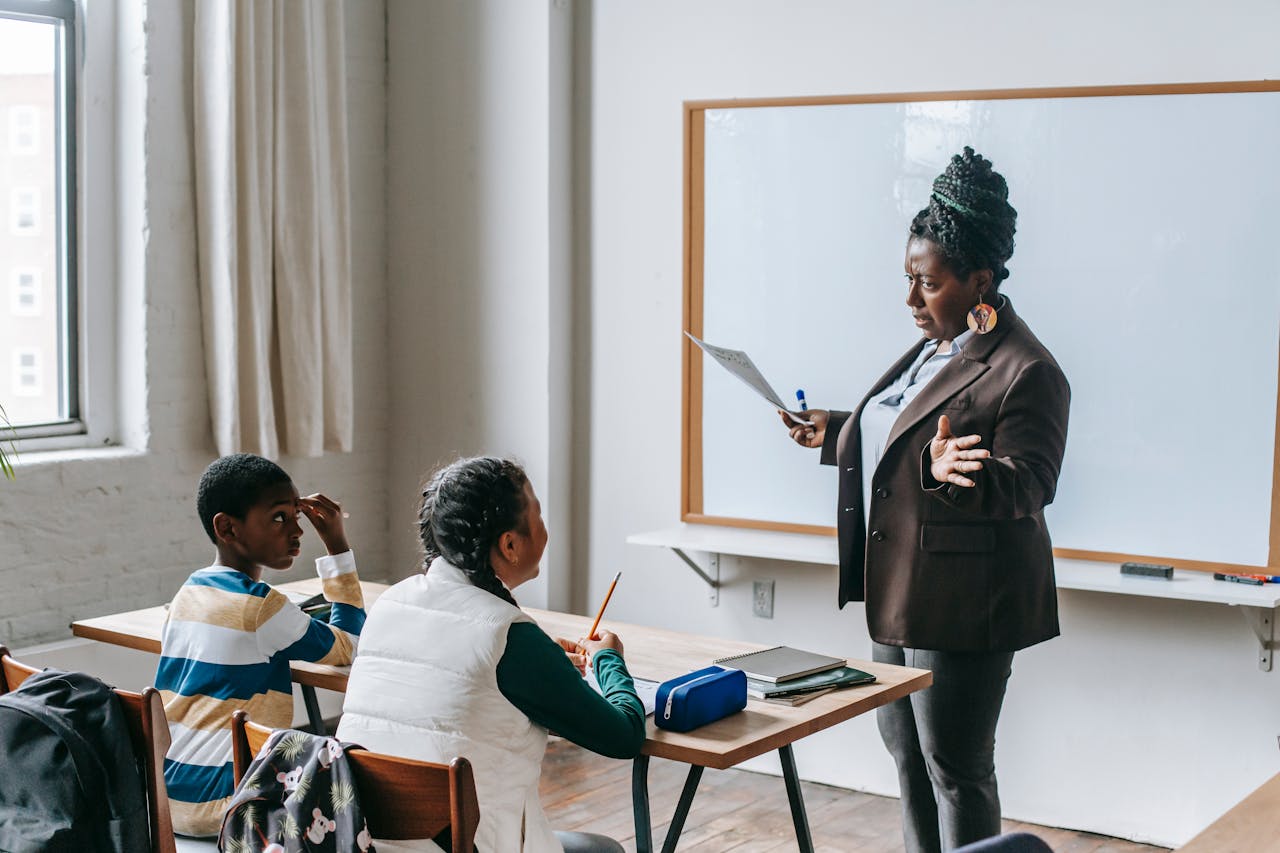
Every child has a right to an education, and it’s a parent’s responsibility to ensure that happens. School is where children pick up academics, social skills, problem-solving, and discipline. It’s among your responsibilities to keep them in the loop and on track.
Also, educating them doesn’t stop at enrollment. You should stay involved in their studies, meet teachers, check their homework, and make sure they don’t fall behind.
Show Love and Support
A loving home is also among parental responsibility examples because the little ones need to feel emotionally safe and seen. That starts with love, but it doesn’t stop there. You have to listen and pay attention to what they’re trying to say.
Be attentive when your child is upset, frustrated, or acting out, and try to show that their feelings are valid. You don’t need to fix every problem, but be available because kids who grow up feeling emotionally supported are better at handling life.
Set Clear Rules and Use Discipline
Love and care are super important, but they shouldn’t blur your parental authority. Every child needs structure, which comes from rules that make sense and are consistently enforced.
While disciplining them, your goal should be to help them understand boundaries and why they exist instead of yelling, snapping, or hitting. Set age-appropriate rules, explain them, and respond clearly why it is not ok when your child breaks a rule. That’s how you raise someone who knows the difference between right and wrong, not just someone scared of consequences.
Model Good Values and Behaviour
Children learn more by watching you than by listening to you. If you want them to be respectful, honest, kind, or responsible, show those traits in action. They’ll pick up from how you talk to others, how you handle stress, how you treat them, and how you own up to your mistakes.
Parents should understand that good values aren’t taught through lectures; they’re passed on through behavior. So it’s among your responsibilities as a model to be a good example for them.
Create Routines, Play, and Activities
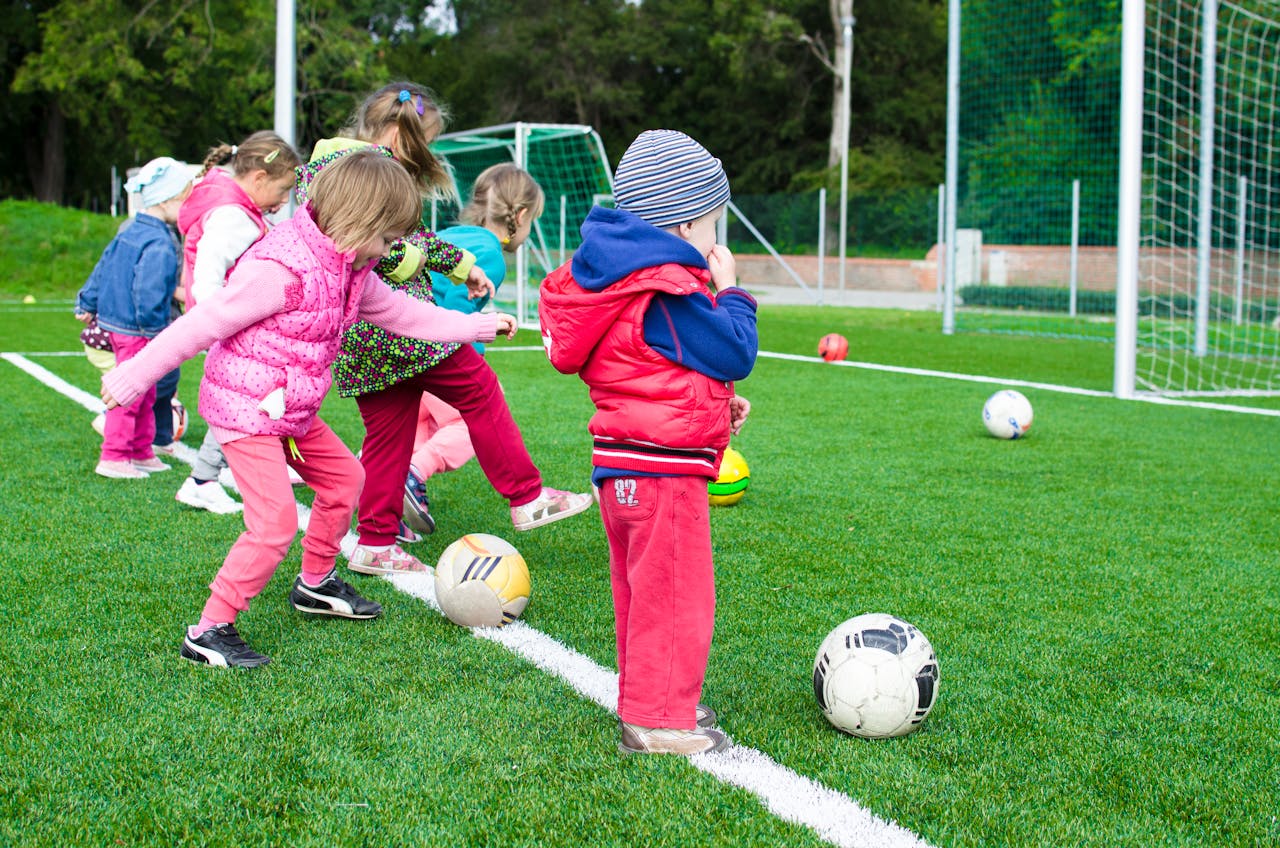
Raising children should be more than just covering the basics. Structure gives them stability, and play gives them freedom—both are necessary. Routines like regular meals, a certain bedtime, and focused screen time limits help kids feel secure. They know what to expect, and that makes them calmer and more cooperative.
But kids also need open-ended time to move, create, and laugh. Therefore, you should also introduce some kind of play and meaningful activities into their life. It could be reading, drawing, building, running—anything that keeps their mind and body engaged.
Teach Life Skills and Confidence

As a parent, you prepare the kids to eventually manage independently. Teach them basic life skills like budgeting, cooking, owning up to their actions, situational awareness, and manners.
Start early and give them room to try. They’ll fail sometimes, but it builds resilience. Confidence grows when children are trusted with age-appropriate responsibilities, so teach them how to make decisions and solve problems.
Protect their Legal Identity and Rights
Parents are the legal voice of the child until they can speak for themselves. It starts with registering their birth and making sure all official documents, like ID cards, health records, and school papers, are up to date and safe. If there’s ever a medical emergency, school enrollment, or legal issue, they’ll need these documents, and you should have them.
In the digital era, parents’ role also includes protecting kids’ digital identity. Keep an eye on what they share online, what apps they use, and who can access their information.
Your Role Matters More Than You Think
Parenting is the foundation of a child’s future. The way you show up shapes how your child thinks, feels, and lives. So yes, your role comes with big responsibilities, but it also holds real power.
Stay aware and give your best. Every effort you make counts because you’re not just raising a child, you’re building a whole person. Do it with intention.
Suggested Reads:
FAQs
How do I know if I’m being too strict or too soft with my child?
If your child hides things or fears you, you’re being too strict. If they walk all over your rules, you’re being too soft. You need clear limits, but also room for your child to speak up.
How do I balance work and parenting without feeling guilty?
Set work hours and stick to them. Then give your child your full attention when you’re off. Don’t aim for perfection. You can’t do it all, and that’s okay. What matters most is showing up when it counts.
My child doesn’t open up to me — what should I do?
Stop pushing for talks and be around more, without pressure. Talk while doing things side by side. Listen fully when they speak. Don’t judge or jump in to fix. Trust takes time, but it builds slowly this way.